
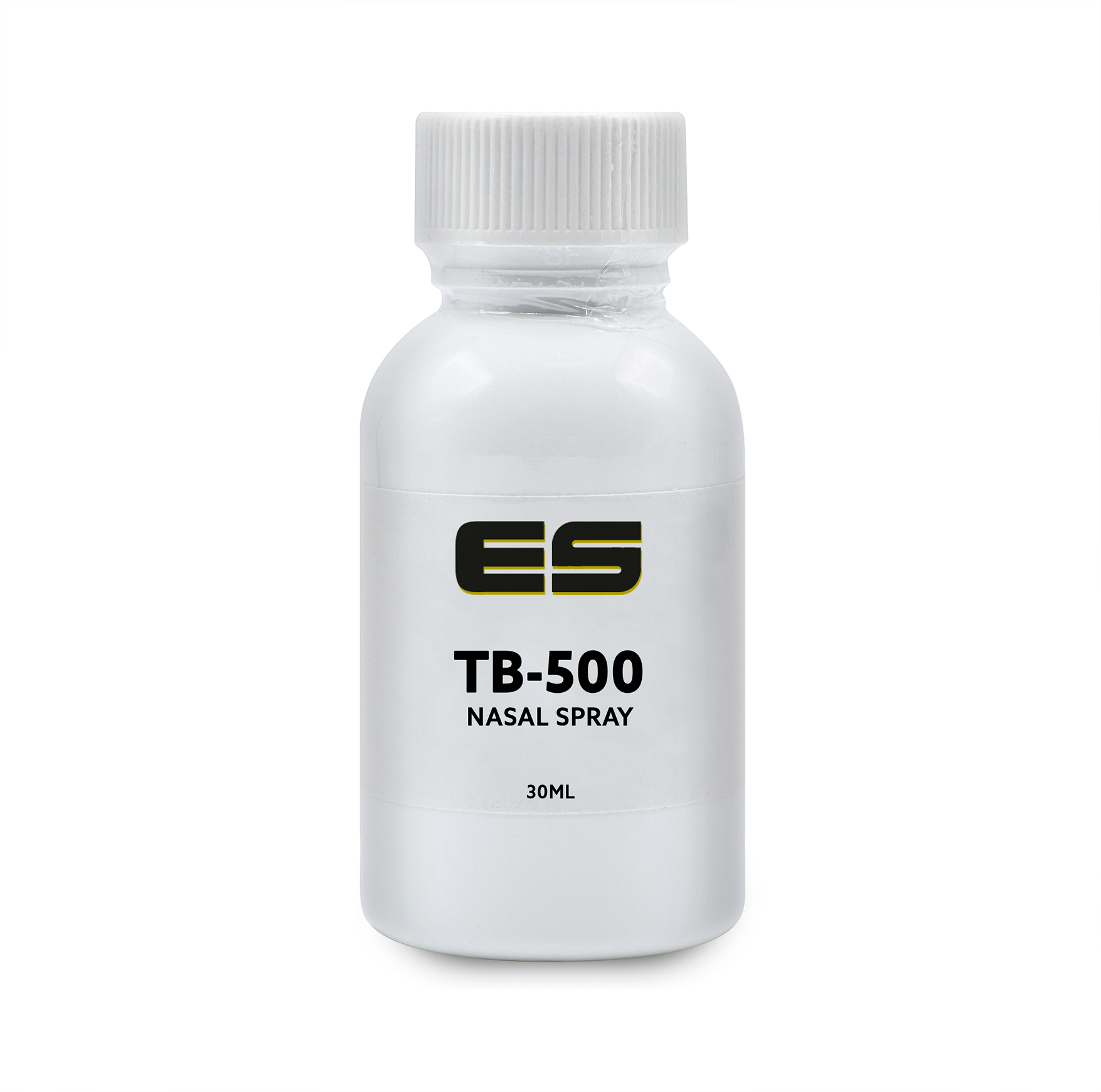
Peptide research has grown rapidly over the past decade, and one compound that consistently stands out in laboratory environments is the bpc 157 nasal spray. At Explicit SARMs, we focus on supporting researchers who want access to accurate information on how peptides behave under controlled conditions. BPC-157 is widely examined for its activity in models relating to tissue behavior, recovery patterns, inflammatory responses, and cellular pathways that interest the scientific community.
Many researchers studying areas such as fitness modeling, muscle-related simulations, athletic performance systems, and supplement-comparison frameworks also look at BPC-157 due to the biochemical pathways it interacts with. All of this research remains strictly non-human and observational, helping scientists better understand how peptides behave at a molecular level.
What Is BPC-157?
BPC-157 (Body Protection Compound-157) is a 15-amino-acid synthetic peptide derived from a naturally occurring protein fragment found within gastric juices. Scientists investigate this peptide because it appears to influence a wide range of cellular and tissue-related processes. Its stability and structural consistency make it particularly useful in controlled experimental setups where reproducibility and consistency are essential.
Research literature often focuses on:
- tissue regeneration dynamics
- angiogenesis and blood vessel development
- stomach and intestinal lining stability
- inflammatory response changes
- tendon and ligament behavior
- neurological cell protection in laboratory models
Because these models often overlap with topics related to muscle building, fitness adaptations, energy output, athletic performance simulations, and supplement-like biochemical activity, BPC-157 has become one of the most frequently studied peptides in non-human peptide research.
Why Researchers Study BPC-157
The bpc 157 nasal spray format continues to attract scientific interest due to its suitability for studying alternative exposure pathways and how peptides diffuse across mucosal systems. BPC-157 interacts with angiogenic pathways, nitric oxide systems, and tissue repair-related processes, making it useful for examining a range of cellular responses.
Biochemical Pathways of High Research Importance
Researchers are particularly interested in BPC-157’s influence on:
- endothelial cell activity
- muscle fiber signaling
- nitric oxide modulation
- nerve regeneration models
- tissue-protective pathways
These pathways provide insight into how cells respond to strain, stress, inflammation, and structural challenges — cornerstone topics in experimental models involving fitness, muscle adaptation, athletic stress testing, and recovery mechanisms.
What Makes BPC-157 Unique in Research Settings
- It shows stability across various pH levels
- It interacts with multiple tissues simultaneously
- It displays unusual angiogenic activity in animal models
- It appears to influence both soft tissue and organ-specific systems
This broad scope makes BPC-157 a versatile subject for scientific investigation.
BPC-157 and TB500: Research Insights
Peptide research frequently examines bpc157 and tb500 in parallel due to their complementary biochemical behaviors. TB500 is a synthetic peptide modeled after Thymosin Beta-4, a naturally occurring protein fragment involved in actin regulation and cellular migration.
Why These Two Peptides Are Commonly Studied Together
- BPC-157 is associated with angiogenesis
- TB500 is associated with actin and cell movement
- Together they offer a broader view of tissue repair and recovery dynamics
- Their combined behavior assists researchers studying injury-simulation models
Research Areas Where the Pairing Is Popular
Studies investigating:
- tendon and ligament strain
- muscle fiber stress
- structural repair simulations
- wound healing environments
- endurance and fatigue modeling
This type of research often parallels human interest in fitness, muscle building, performance enhancement, and supplement-like benefits — but the data strictly applies to non-human laboratory experimentation.
Understanding BPC-157 and TB500 Nasal Spray Formulations
Nasal spray formulations such as tb500 nasal spray or bpc 157 and tb 500 nasal spray provide researchers a tool for exploring non-injection absorption pathways. A nasal delivery system allows scientists to observe how peptides interact with mucosal tissues, how quickly they diffuse, and how they behave when introduced via alternative exposure routes.
Advantages for Research Environments
- Allows precise exposure control
- Enables rapid diffusion studies
- Useful for modeling alternative delivery pathways
- Helps evaluate early peptide-tissue interaction
- Supports studies interested in biological absorption models
Because BPC-157 and TB500 are often researched together, nasal spray combinations are becoming more common across experimental setups. They provide a convenient configuration for laboratories running comparative or side-by-side studies.
Comparative Summary: BPC-157 vs TB500
| Research Parameter | BPC-157 | TB-500 |
| Amino Acid Length | 15 AA | 43 AA |
| Primary Study Focus | Tissue behavior, angiogenesis | Actin regulation, cell mobility |
| Common Research Format | Solution, bpc 157 nasal spray | Solution, tb500 nasal spray |
| Research Applications | Tendon, muscle, vascular, digestive | Structural repair, cellular migration |
| Often Studied Together? | Yes | Yes |
The pairing provides insight into overlapping tissue-response pathways.
Model Applications and Research Relevance
Across the peptide research community, BPC-157 is used in a variety of controlled environments designed to observe reactions under stress, strain, and biochemical challenge. Scientists often use these models to investigate responses linked to athletic performance simulations, muscle fatigue, strength studies, and recovery-based systems.
Popular Research Models Include:
- Muscle Fatigue and Stress Simulations
Researchers simulate exercise-like stress to examine how peptides influence muscular recovery pathways. - Tendon and Ligament Load Models
Strain-induced models help analyze structural response mechanisms. - Inflammatory Response Experiments
Researchers evaluate inflammatory biomarkers that change after peptide introduction. - Gastrointestinal System Stability Studies
Some studies explore protective behavior on the digestive lining. - Neurological Exposure Models
Scientists look at nerve-related responses in controlled test systems.
These models indirectly relate to fitness, muscle building, strength applications, energy output, and supplement-comparison systems, but they remain strictly limited to laboratory environments.
How Researchers Source BPC-157 Responsibly
Sourcing is one of the most important aspects of peptide research. Laboratories require accurate peptide sequencing, verified purity, stability, and consistent chemical behavior.
Researchers typically evaluate:
- Peptide purity percentages
- COA (Certificate of Analysis) availability
- Contamination and sterility standards
- Proper labeling and batch control
- Stability during storage and transport
- Manufacturer transparency
Why Some Researchers Avoid Unverified Online Sellers
Not all peptides available online meet scientific quality standards. Attempts to buy bpc 157 online from unverified suppliers often result in chemically inconsistent materials.
Common problems include:
- incorrect peptide sequencing
- low purity
- unstable formulations
- contamination
- mislabeled or counterfeit compounds
These issues can invalidate research results, making verified research suppliers such as Explicit SARMs essential for reliable scientific work.
Potential Side Effects Observed in Experimental Studies
Laboratory studies sometimes observe unexpected or irregular responses depending on the test environment. These outcomes cannot be generalized across models, and they do not apply to humans.
Possible responses noted in research include:
- increased or decreased inflammatory markers
- irregular angiogenic activity
- digestive model alterations
- neurological activity changes
- hyperactivity or hypoactivity in cell pathways
These results highlight why peptides must be handled with care and tested only in controlled labs.
Conclusion
BPC-157 continues to be an important compound in modern peptide research, with the bpc 157 nasal spray configuration playing a central role in studies examining absorption, diffusion, and tissue-specific behavior. At Explicit SARMs, we focus on supporting responsible scientific exploration by offering researchers clear information and ethically sourced laboratory-grade materials. Studies involving BPC-157, TB500, and their combined nasal spray formulations provide valuable insights into tissue repair modeling, muscle-related simulations, and biochemical pathways relevant to performance-focused research.
For sourcing questions or general research assistance, contact us today.FAQs
FAQs
No. BPC-157 is strictly a research chemical and must only be used in scientific laboratories.
Nasal delivery supports absorption and diffusion studies across mucosal membranes.
Yes. Their complementary pathways make them ideal for combined tissue and recovery-related models.
Only at a biochemical level within research. Studies may explore pathways associated with muscle building, energy output, and athletic performance, but these findings are not intended for human enhancement.
Proper storage, handling procedures, clear documentation, and structured experimental methods are key for accurate results.
Research specifications are available at:
https://explicitsarms.com/products/bpc-157-tb-500-nasal-spray/