
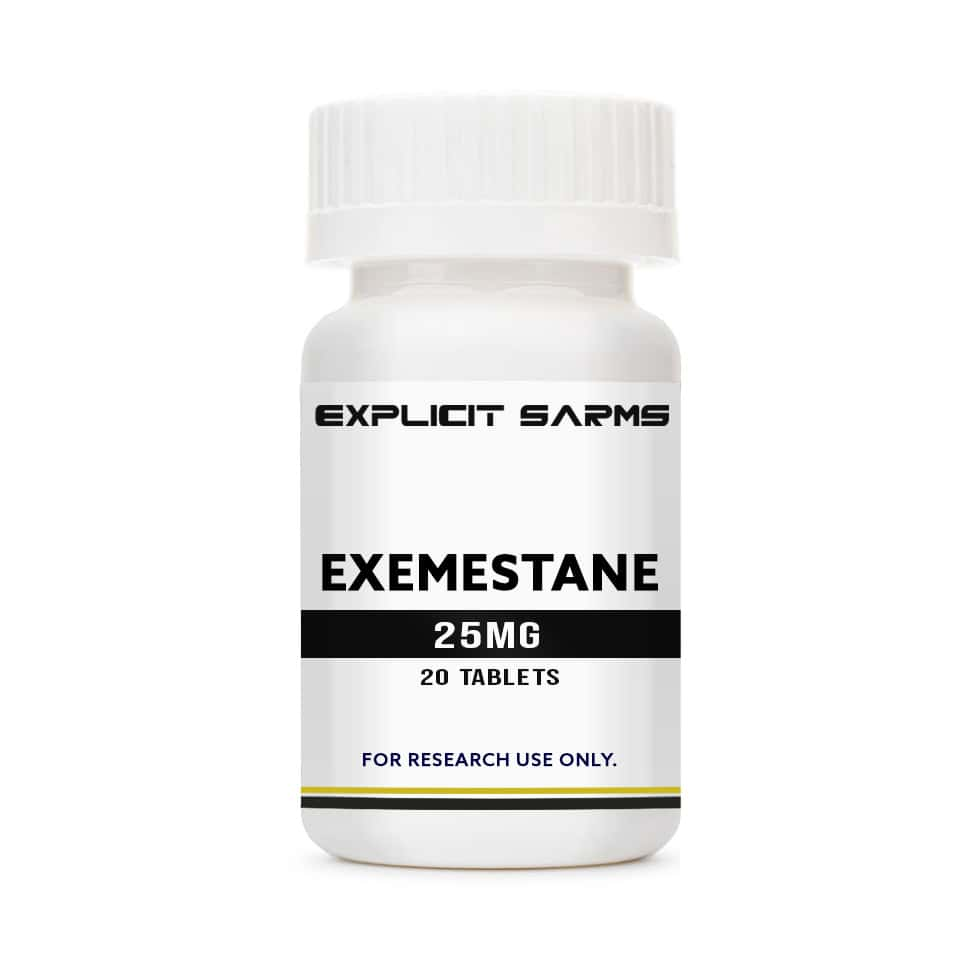
SARMs (Selective Androgen Receptor Modulators), peptides, and SERMs (Selective Estrogen Receptor Modulators) are research chemicals widely used in scientific studies. Their availability, handling, and distribution in the USA are governed by strict federal and state regulations.
Understanding the legal framework is essential for laboratories, universities, and researchers to ensure full compliance. This guide provides accurate, up-to-date information on SARMs legality USA, peptide and SERM regulations, import rules, and research-use protocols.
At Explicit Sarms, we provide researchers and laboratories with accurate, up-to-date guidance on the legal and regulatory landscape for SARMs, peptides, and SERMs in the USA. These compounds are widely used in scientific studies, but their use is strictly limited to research purposes and governed by federal and state regulations.
Introduction to SARMs, Peptides & SERMs
SARMs, peptides, and SERMs are compounds commonly used in laboratory and academic research. While discussed extensively in scientific contexts, their use is tightly regulated. Researchers must adhere to federal laws, FDA guidance, and state-specific rules to ensure proper handling, storage, and documentation.
This guide focuses on legal compliance, safe acquisition, and proper research-use procedures. Understanding these compounds in a regulatory context is essential for maintaining lab safety, protecting intellectual property, and avoiding inadvertent legal violations.
Understanding SARMs
SARMs are synthetic compounds that interact with androgen receptors. They are classified as investigational drugs by the FDA.
FDA Regulations
- SARMs cannot be marketed for purposes outside research.
- Laboratories must maintain accurate records of all SARMs inventory.
- Institutional Review Board (IRB) or other oversight approvals are required for research studies where applicable.
DEA Considerations
- SARMs are not federally scheduled substances but are monitored to prevent misuse.
- Distribution and importation must follow research-use protocols to comply with federal law.
Research Protocols
Only verified suppliers should provide research-use SARMs for laboratory studies. Proper documentation, storage, and tracking of all SARMs are mandatory. Laboratories are encouraged to implement internal audits and compliance reviews to ensure all procedures align with federal and state regulations.
Table 1: SARMs Legal Status Overview in the USA
| Compound Type | Legal Status | FDA Regulation | Notes |
| SARMs | Restricted | Investigational drug | Research-use only, record-keeping required |
| Peptides | Varies | Depends on type | Research-use protocols must be followed |
| SERMs | Prescription-only | Approved drugs | Only handled in accordance with research or prescription regulations |
Peptides: Legal Status and Research Compliance
Peptides are short chains of amino acids with diverse research applications. Their legal status in the USA depends on their intended research use:
- Research peptides: Legal for laboratory or scientific study. Must be labeled clearly as for research only.
- Accurate documentation of peptide origin, storage conditions, and experimental usage is required.
- Researchers must implement standard operating procedures (SOPs) for handling peptides to ensure reproducibility and safety in experiments.
Peptides are commonly used in biochemistry, pharmacology, and molecular biology research. For example, they can be utilized to study protein interactions or cellular pathways, making compliance critical for legitimate scientific work.
SERMs: Regulation and Research Use
SERMs, such as tamoxifen or raloxifene, are FDA-approved prescription drugs. In research contexts:
- Acquisition: Must be obtained through proper channels for academic, clinical, or laboratory studies.
- Compliance: Requires thorough record-keeping and adherence to IRB or FDA-approved protocols.
- Laboratories often use SERMs to study hormone receptor signaling or disease models, emphasizing the importance of correct documentation and safe handling practices.
Research-use differentiation is critical to maintain legal compliance and scientific integrity.
Import Rules for SARMs, Peptides & SERMs
Importing these compounds into the USA requires strict adherence to regulations:
- Customs inspections: All shipments are subject to review and may be denied if documentation is insufficient.
- Labeling: Compounds must be marked clearly as research-use only.
- Documentation: Researchers and institutions must provide purpose statements and proof of research credentials.
- Shipping protocols: Some suppliers offer compliance support, including customs documentation templates and tracking systems, to help research labs meet federal standards.
Proper procedures prevent regulatory issues and ensure lawful research operations.
State vs Federal Considerations
While federal laws govern overall legality, individual states may impose additional regulations:
- Certain peptides may require state-specific documentation.
- SARMs research-use restrictions can vary by state.
- SERMs handling must comply with both federal and state prescription rules where applicable.
Being aware of state-specific nuances is crucial for universities, pharmaceutical companies, and contract research organizations (CROs) that operate across multiple jurisdictions.
2025 Regulation Updates in the USA
Recent developments highlight the importance of ongoing compliance:
- Online monitoring of research chemical marketing has intensified.
- Documentation standards for research-use compounds have been clarified.
- Customs enforcement for imported SARMs and peptides has become stricter.
- Penalties for non-compliance, including fines or shipment seizure, have increased.
Explicit SARMs continually tracks these updates, providing researchers with guidance to stay fully compliant and maintain smooth lab operations.
Compliance Tips for Researchers
To ensure safe and legal research use:
- Source SARMs, peptides, and SERMs only from verified research suppliers.
- Maintain thorough records of all compounds, including storage and usage.
- Ensure all research activities comply with federal, state, and institutional regulations.
- Implement internal audits to identify and correct potential compliance gaps.
- Train staff and team members in legal and procedural compliance.
Following these protocols ensures research integrity and mitigates the risk of regulatory violations.
Comparative Legal Notes: USA vs Other Countries
| Country | SARMs Legal Status | Peptides Legal Status | SERMs Legal Status |
| USA | Restricted | Research-use only | Prescription-only |
| UK | Prescription-only | Research-use only | Prescription-only |
| Canada | Research-use only | Research-use only | Prescription-only |
| Australia | Prescription-only | Research-use only | Prescription-only |
| Germany | Restricted | Research-use only | Prescription-only |
International collaboration requires awareness of these legal differences to maintain compliant research operations and prevent export/import violations.
Additional Research Guidelines
- Lab safety: Ensure all compounds are stored in secure, controlled-access areas.
- Disposal protocols: Comply with federal and state hazardous waste regulations when disposing of research chemicals.
- Documentation practices: Maintain lab notebooks, digital logs, and supply invoices to demonstrate compliance during inspections or audits.
- Staff training: Educate lab personnel on handling procedures, legal requirements, and emergency protocols.
These additional measures enhance research quality while reducing legal risk.
Conclusion
Navigating the legal framework for SARMs, peptides, and SERMs in the USA is essential for safe and compliant research. By focusing exclusively on research-use, following federal and state regulations, and maintaining proper documentation, laboratories and institutions can operate securely within legal boundaries.
Explicit SARMs provides researchers with accurate, up-to-date guidance on regulations, compliance, and acquisition of these compounds for legitimate scientific study.
For further guidance on research-use SARMs, peptides, or SERMs regulations in the USA, visit our Contact Us page.
FAQs
Can SARMs be used in research in the USA?
Yes, SARMs can be obtained and used strictly for laboratory or scientific research purposes.
Are all peptides legal for research in the USA?
Peptides intended for research are legal when proper documentation and protocols are followed.
Do SERMs require special handling in research?
Yes, SERMs must be handled in accordance with federal, state, and institutional research protocols.
What are the import requirements for research-use compounds?
Proper labeling, documentation, and proof of research credentials are required for all imported compounds.
Where can researchers find the latest compliance updates?
Official FDA websites, DEA announcements, and verified research suppliers provide current regulatory guidance.