
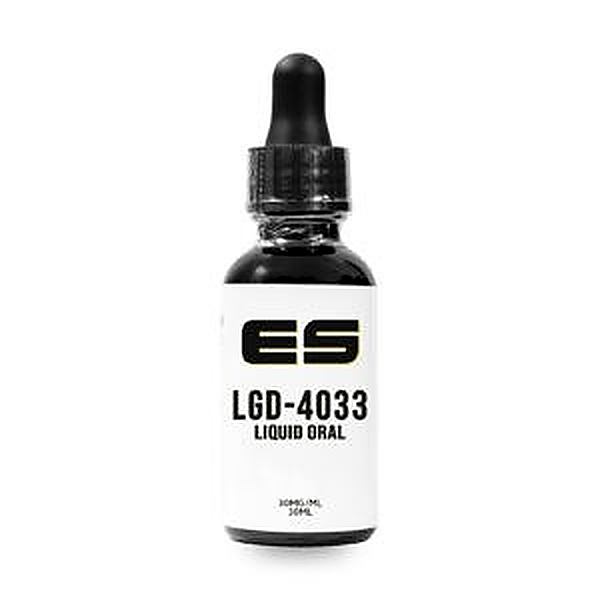
A product page tells you what a research compound is supposed to be. Its lot documentation shows what was actually tested. Knowing how to read a Certificate of Analysis (COA) and a product specification makes it much easier to compare research compounds and to choose a supplier you can trust.
This guide explains what lot documentation is, what the common sections of a COA mean, and how Explicit SARMs tests its research compounds. All Explicit SARMs products are for laboratory research use only.
What Is Lot Documentation?
Research compounds are made in batches, also called lots. Each lot gets an identifier, usually a lot or batch number, so that documentation can be traced back to the material it describes.
Lot documentation can include:
- The compound name and lot number
- The product specification (stated amount and form)
- A Certificate of Analysis with test results
- The name of the lab that performed the testing
- The date of testing
The most important rule is simple: documentation is only useful when it can be matched to the specific lot it describes.
How to Read a Certificate of Analysis
A COA is a report of the tests a lab ran on a sample of a lot. Layouts differ from lab to lab, but most COAs share the same core sections.
Compound Identification
This section names the compound being tested. Check that the compound name on the COA matches the product you are reviewing exactly.
Lot or Batch Number
The lot number links the report to a specific batch. A COA without a lot number cannot be tied to any particular material.
Purity Result
Purity is usually reported as a percentage. It describes how much of the tested sample is the target compound, as measured by the lab’s method.
Test Method
The COA should name the analytical method that was used. The method tells you what was measured and how, which helps you understand what a result does and does not show.
Testing Lab and Date
The report should name the lab that performed the analysis and the date of testing. Independent third-party testing adds a check from outside the manufacturer.
How Explicit SARMs Tests Its Research Compounds
Our manufacturer tests it twice during production, and we use an independent third-party lab for purity testing. A COA is available on request.
How to Read a Product Specification
A product specification describes what the product is meant to contain. When you review one, check:
- Compound name: the full, correctly spelled compound name.
- Stated amount: for example, the milligrams per vial.
- Form: for example, lyophilized powder, liquid or capsule.
- Research-use labeling: a clear statement that the product is for laboratory research use only.
The specification and the COA should agree. If the compound name or stated amount on the product page doesn’t match the documentation, ask the supplier before you order.
Common Mistakes When Reviewing Lot Documentation
- Accepting a COA that has no lot number.
- Assuming one COA covers every lot of a product.
- Overlooking which lab performed the testing.
- Reading a purity percentage without checking the test method.
- Comparing products by price alone instead of by documentation.
Using Documentation to Compare Suppliers
Lot documentation is one of the clearest ways to compare research compound suppliers. A transparent supplier explains how its products are tested and makes a COA available on request.
Explore the Explicit SARMs research compound collection to see product specifications, or contact us to request a COA.
Frequently Asked Questions
What is a Certificate of Analysis for a research compound?
A Certificate of Analysis (COA) is a lab report showing the test results for a sample of a specific lot. It typically lists the compound, the lot number, the purity result, the test method, the testing lab and the test date.
Why does the lot number on a COA matter?
The lot number ties the report to a specific batch. Without it, a COA cannot be matched to the material you are reviewing.
How are Explicit SARMs research compounds tested?
Our manufacturer tests it twice during production, and we use an independent third-party lab for purity testing.
Can I request a COA?
Yes. A COA is available on request from Explicit SARMs.
What are Explicit SARMs products intended for?
All Explicit SARMs products are sold for laboratory research use only.