
Shop Metabolic Research Peptides
We don’t carry Semaglutide. Explore related metabolic and incretin research peptides instead.
Shop Metabolic Research Peptides →For laboratory research use only. Not for human consumption.
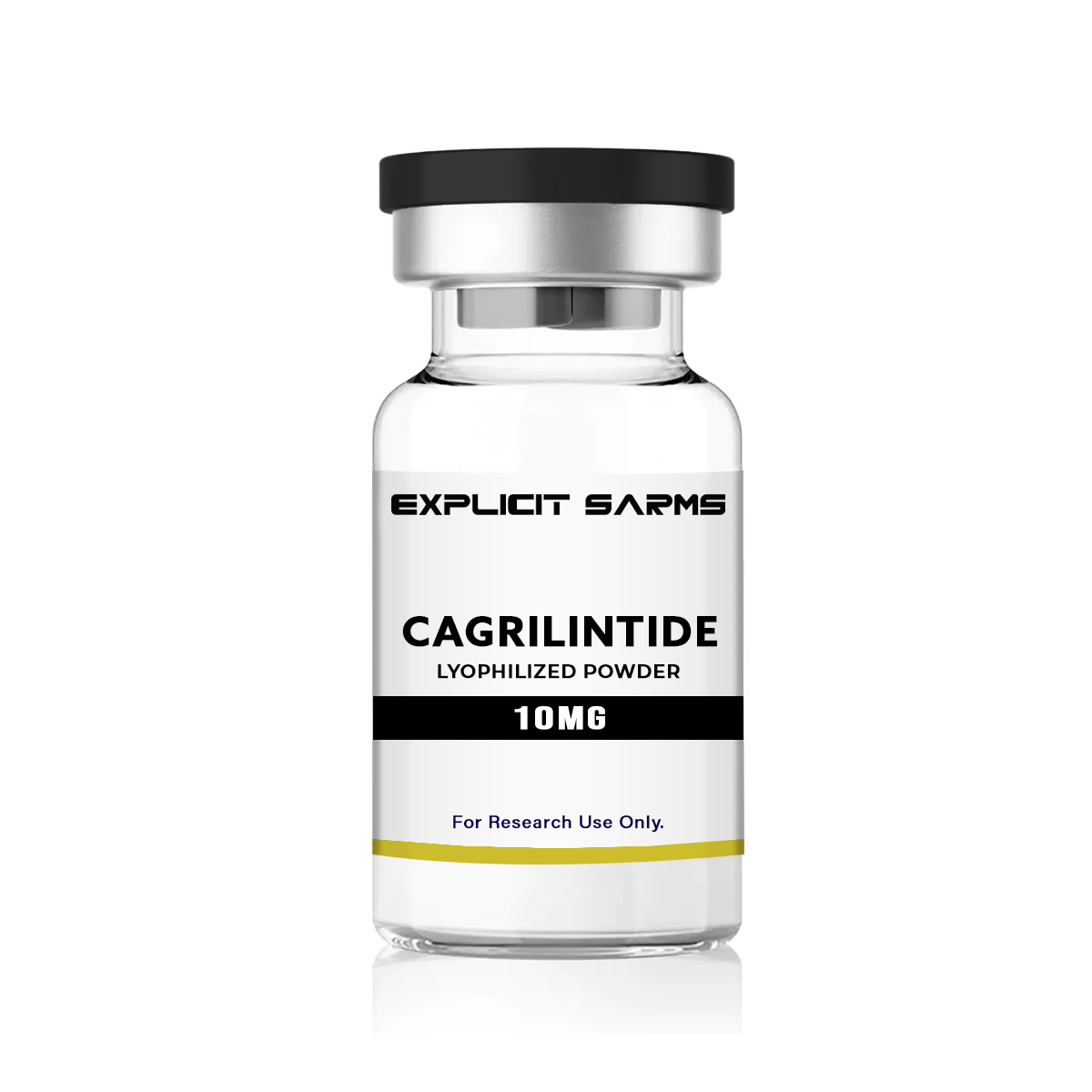
Semaglutide is a synthetic peptide analogue associated with the glucagon-like peptide-1 receptor, commonly known as GLP-1R. It has become an important subject in scientific research because of its distinctive molecular structure and its interaction with incretin-related signaling pathways. For researchers exploring Semaglutide peptide online, understanding its scientific background is an important first step before evaluating research materials or published findings.
At Explicit SARMs, research compounds are presented for laboratory and research purposes only. The company provides information intended to help researchers better understand different peptide compounds and their scientific characteristics. The peptide research collection can be used as an internal starting point for exploring research-oriented peptide information.
Semaglutide has been examined in receptor studies, cell-based models, and animal research. Its structure was engineered from the GLP-1 sequence and includes modifications designed to influence its stability and interaction with proteins. These characteristics make it a useful compound for investigating GLP-1 receptor biology and related molecular pathways.
What Is Semaglutide Peptide?
Semaglutide is a synthetic peptide analogue derived from human GLP-1. Unlike naturally occurring GLP-1, Semaglutide contains structural modifications that affect its biological and pharmacological characteristics. Research literature has examined these modifications in relation to receptor activity, stability, and protein binding.
For research purposes, Semaglutide can be considered within the broader category of peptide compounds that are used to investigate specific biological targets. Researchers studying peptide information should distinguish between a research compound and an approved pharmaceutical product because their intended use, formulation, labeling, and regulatory status can differ.
According to the Semaglutide research overview available through Explicit SARMs, laboratory research has examined Semaglutide in relation to GLP-1 receptor signaling, Gs/cAMP/PKA pathways, pancreatic models, and other experimental systems.
When evaluating information about peptide compounds, researchers should consider:
- Molecular identity and structural characteristics
- Intended research application
- Available analytical documentation
- Research-grade labeling
- Supplier transparency and documentation
These factors provide a more useful basis for evaluating a research compound than relying only on general online descriptions.
How Does Semaglutide Work in Research Models?
Semaglutide is primarily studied as an agonist of the GLP-1 receptor. GLP-1R belongs to the class B family of G-protein-coupled receptors. When researchers examine Semaglutide in suitable experimental systems, they can investigate receptor activation and downstream signaling responses.
One important research pathway involves Gs protein signaling and subsequent changes in cyclic adenosine monophosphate, or cAMP. Researchers can use cell-based assays to examine these molecular events and evaluate how a compound interacts with a particular receptor system.
Semaglutide research has also explored experimental models involving pancreatic cells and central nervous system pathways. However, results from laboratory or animal models should not automatically be generalized beyond the model in which they were observed.
The distinction between preliminary experimental findings and reproduced, published findings is particularly important when researching peptide compounds online. A scientifically responsible research source should clearly separate laboratory observations from medical claims.
Key Research Areas Associated With Semaglutide
Semaglutide has been examined across several research areas because of its interaction with GLP-1R and related signaling pathways. These areas provide context for researchers interested in understanding the compound’s molecular profile.
| Research Area | What Researchers Examine |
| GLP-1 receptor | Receptor binding and activation |
| cAMP signaling | Downstream intracellular signaling |
| Pancreatic models | GLP-1-related cellular responses |
| CNS models | Receptor-expressing neuronal pathways |
| Protein binding | Interaction with serum albumin |
| Pharmacokinetic research | Stability and exposure characteristics |
These research areas demonstrate why Semaglutide is relevant to peptide research. They also highlight the importance of examining a compound through defined experimental models rather than relying on broad claims.
Why Molecular Structure Matters in Semaglutide Research
The molecular structure of a peptide can influence its stability, receptor interaction, and behavior within an experimental system. Semaglutide contains several structural modifications compared with native GLP-1. These modifications are an important part of its scientific profile.
One notable feature is a fatty-diacid side chain that supports reversible albumin binding. Another structural modification contributes to resistance against enzymatic degradation. Together, these characteristics have made Semaglutide a useful compound for studying long-acting GLP-1 receptor activity.
Understanding structure is particularly valuable when comparing different peptide compounds. Two peptides may interact with related biological pathways while having substantially different molecular characteristics.
For researchers reviewing online peptide sources, molecular information can therefore provide useful context when assessing whether a particular research material is appropriate for a planned laboratory investigation.
Research Models Used to Study Semaglutide
Semaglutide has been examined in several types of experimental systems. These include recombinant receptor systems, cultured cell models, pancreatic cell models, and animal studies.
Receptor-based experiments can help researchers examine how Semaglutide interacts with GLP-1R. Cell-based models can provide additional information about intracellular signaling, while animal models may be used to investigate broader physiological pathways.
However, every research model has limitations. Findings from a cell culture experiment cannot automatically be transferred to an animal model or other system. Similarly, animal research can provide valuable biological information but does not by itself establish findings beyond that model.
This is why high-quality peptide information should clearly identify the model being discussed and avoid presenting preliminary research as established medical evidence.
Important Considerations When Researching Semaglutide Online
People searching for Semaglutide peptide online may encounter information from many different types of sources. Not every source provides the same level of transparency or scientific context.
Researchers should look for information that clearly identifies the material, its intended research purpose, and the documentation available for the compound.
Important considerations include:
- Clear research-use labeling
- Identifiable compound information
- Consistent product documentation
- Testing or analytical documentation where applicable
- Transparent company information
- Clear separation between research information and medical claims
A reliable research-oriented source should not encourage consumers to interpret laboratory compounds as substitutes for approved medical products.
Explicit SARMs states that its products are intended solely for legitimate laboratory research and development purposes. Researchers should review the relevant product information and company policies before making any research-related decision.
Research-Grade Peptides vs Approved Pharmaceutical Products
A major point of confusion surrounding Semaglutide is the difference between a research-grade compound and an approved pharmaceutical product.
An approved pharmaceutical product is manufactured, formulated, labeled, and regulated for specific medical applications. A research-grade reference compound, by contrast, is intended for laboratory investigation and is not automatically equivalent to a finished pharmaceutical product.
This distinction is especially important when researching Semaglutide online. Research materials should not be represented as medications, dietary supplements, or products intended for human consumption.
Researchers should also avoid assuming that information about an approved medicine automatically applies to every research-grade material carrying the same compound name. Formulation, purity specifications, manufacturing controls, labeling, and intended use can all differ.
Evaluating Online Peptide Sources
The quality of information surrounding a research compound is an important consideration. Researchers should focus on transparency rather than promotional claims when comparing online peptide sources.
A useful research-oriented website should make it easy to identify:
- The intended research use of the compound.
- Relevant scientific and molecular information.
- Available documentation and testing information.
- Clear company policies and contact information.
This approach helps create a more informed research process and reduces the risk of confusing scientific literature with unsupported claims.
Semaglutide Research and Scientific Interpretation
Semaglutide research covers several areas of molecular and preclinical investigation. Published research has examined GLP-1 receptor activation, intracellular signaling, pancreatic models, neurological pathways, and pharmacokinetic characteristics.
At the same time, scientific interpretation requires appropriate context. A laboratory finding represents an observation within a particular experimental design. It should be interpreted within the limits of that experimental design.
Researchers should therefore consider the following when reviewing studies:
- What experimental model was used?
- What biological pathway was investigated?
- What concentration or exposure was examined?
- Were the findings reproduced in other models?
- Were the findings published and peer reviewed?
- What limitations were identified?
These questions can help researchers distinguish useful scientific information from simplified or misleading interpretations.
Moving Forward With Better Peptide Information
Understanding Semaglutide requires more than simply searching for a research compound online. Researchers benefit from examining molecular characteristics, receptor activity, experimental models, documentation, and the distinction between research materials and approved pharmaceutical products.
For anyone researching Semaglutide peptide online, a science-focused approach can make it easier to evaluate information and identify relevant research considerations. Explicit SARMs provides research-oriented compounds and educational resources designed around laboratory and research applications.
If you need additional information about available research materials, documentation, or company policies, visit the Contact Us section of the website. All Explicit SARMs products are intended for laboratory research use only.
Frequently Asked Questions
How is research-grade Semaglutide characterized?
Research-grade Semaglutide is characterized by its amino acid sequence, its structural modifications and lot-specific analytical documentation such as purity testing.
Why is Semaglutide considered a long-acting GLP-1 peptide?
Semaglutide contains structural modifications that help reduce degradation and promote albumin binding. These characteristics contribute to prolonged exposure compared with naturally occurring GLP-1.
What is the difference between Semaglutide and GLP-1?
GLP-1 is a naturally occurring peptide hormone, while Semaglutide is a modified synthetic analogue designed to interact with the GLP-1 receptor. Their structural and stability characteristics are therefore different.
Does Semaglutide research include oral formulations?
Yes. Researchers have investigated oral Semaglutide formulations and the challenges involved in delivering peptide molecules through the gastrointestinal tract. Oral delivery involves different absorption and formulation considerations from injectable research.
Why is albumin binding important when studying Semaglutide?
Albumin binding is an important part of Semaglutide’s pharmacokinetic profile. Research has found that Semaglutide is extensively bound to plasma albumin, which contributes to its prolonged circulation.
Explore Metabolic Research Peptides
Related research peptides, US-made with COA on request.
Shop Metabolic Research Peptides →For laboratory research use only. Not for human consumption.